Emergency Water Heater Repair in Bellevue, WA | 24/7 Response
No hot water or an active leak from the tank, diagnosed and repaired the same day in most cases.
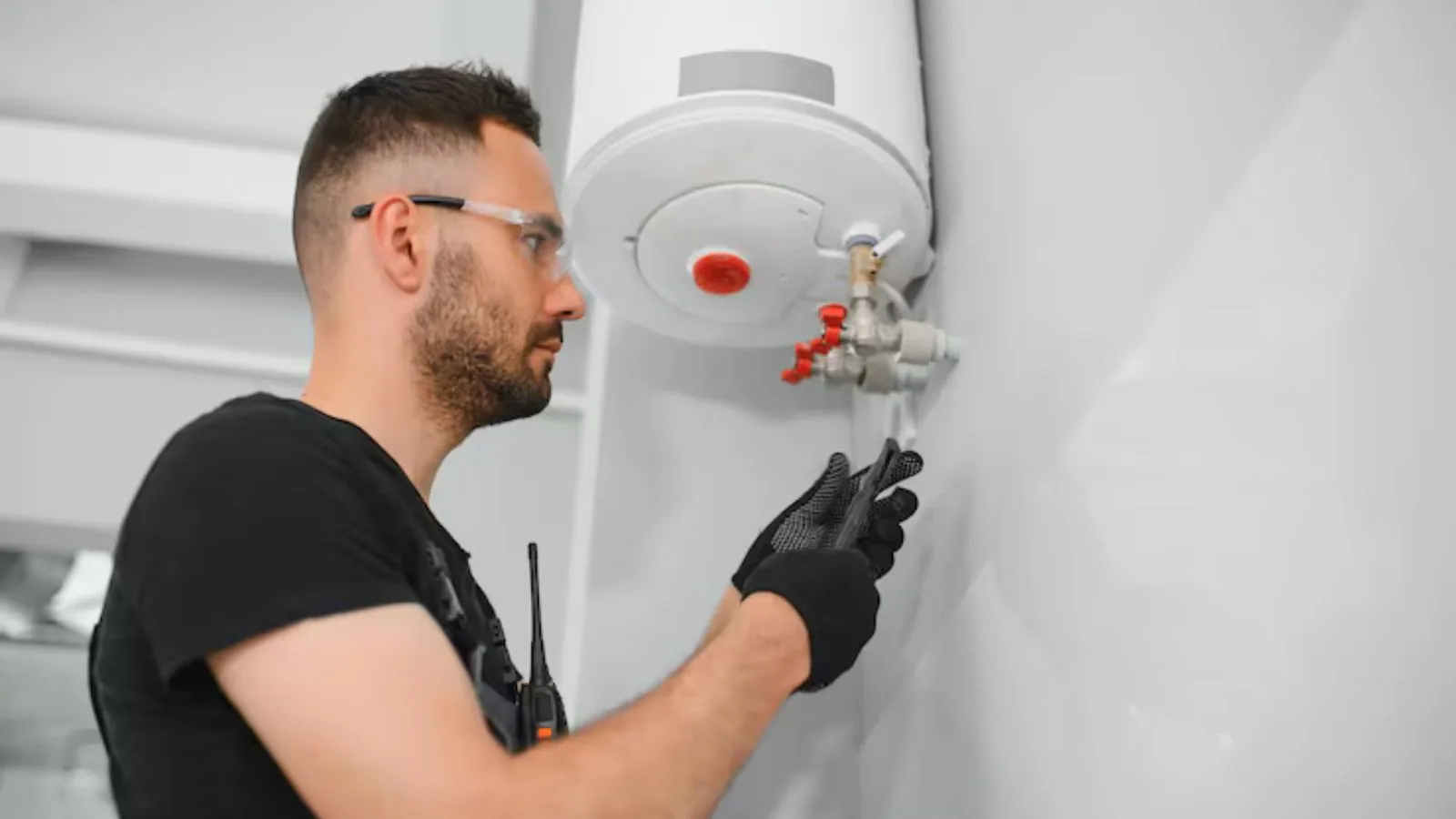
No hot water and a leaking tank are the two calls we get most on this. They're different problems: no hot water is usually an electrical, gas, or thermostat issue that doesn't necessarily mean the tank itself has failed, while a leak from the tank body, rather than a fitting or valve, usually does mean the unit is done.
We diagnose which one it actually is before recommending anything. A failed thermocouple, a tripped high-limit switch, or a bad heating element are all repairable without replacing the whole unit, and we'd rather fix the actual problem than sell a replacement a repair would have solved. All repairs meet Uniform Plumbing Code and manufacturer safety standards.
Gas and electric units fail differently, and we diagnose accordingly. A gas unit with no hot water often traces to a failed thermocouple or a pilot that won't stay lit; an electric unit more often points to a failed heating element or a tripped high-limit switch. Knowing which system you have before we arrive, even just tank versus tankless and gas versus electric, helps us bring the right parts on the first visit.
We also check the anode rod during a repair visit when the tank is otherwise sound, since a depleted anode rod is one of the more overlooked reasons a tank corrodes from the inside faster than it should, especially in homes with harder water. Replacing it during an unrelated repair visit is a small addition to the job but can meaningfully extend how long the existing tank lasts, which is worth mentioning even when it's not the reason you called.
What We Diagnose
No Hot Water
Checked for thermostat, element, thermocouple, or gas supply issues before assuming tank failure.
Active Leaks
Traced to the fitting, valve, or tank body itself to determine if repair is possible.
Component Repair
Elements, thermostats, and valves repaired when the tank itself is sound.
What Affects The Price
Repair pricing depends on which component has failed, and whether the issue turns out to be repairable or points to full replacement instead.
Component involved
A thermostat or element repair costs less than a tank that's actually leaking from the body.
Gas vs. electric
Gas units have additional components (thermocouple, gas valve) that electric units don't.
Unit age
A unit near the end of its expected service life may be better replaced than repaired, which we'll tell you honestly.
You Might Also Need
If the diagnosis points to full replacement rather than repair, our water heater installation and replacement page covers sizing and installing a new unit. A leak that's already caused water damage around the tank falls under our water damage restoration coverage.
Redmond households with the same mid-2000s builder-grade tank units see this same repair-versus-replace decision regularly.
Water Heater Repair FAQ
It depends on the unit's age and what's actually failed. A component repair on a unit under about 8 years old is usually the more economical choice; a tank leaking from the body, or a unit past 10 to 12 years, is usually better replaced. We'll give you an honest read either way.
Yes, for no hot water or an active leak, our line is answered 24/7.
That's usually sediment buildup at the bottom of the tank, common in homes without a water softener. It's not always an emergency, but it does reduce efficiency and is worth having checked.
No hot water is inconvenient but rarely an emergency by itself. An active leak from the tank is different and should be addressed the same day to prevent water damage.
It's a sacrificial metal rod inside the tank that corrodes instead of the tank itself. A depleted anode rod means the tank starts corroding faster, so replacing it periodically can meaningfully extend the tank's service life.
Yes, we service and repair units regardless of who originally installed them, including most major brands sold in this market.
In most cases yes, assuming the needed part is a common one we typically carry on the truck.