Leak Detection in Bellevue, WA
Electronic leak tracing for slab leaks and hidden pipe damage, so we find the source before opening anything up.
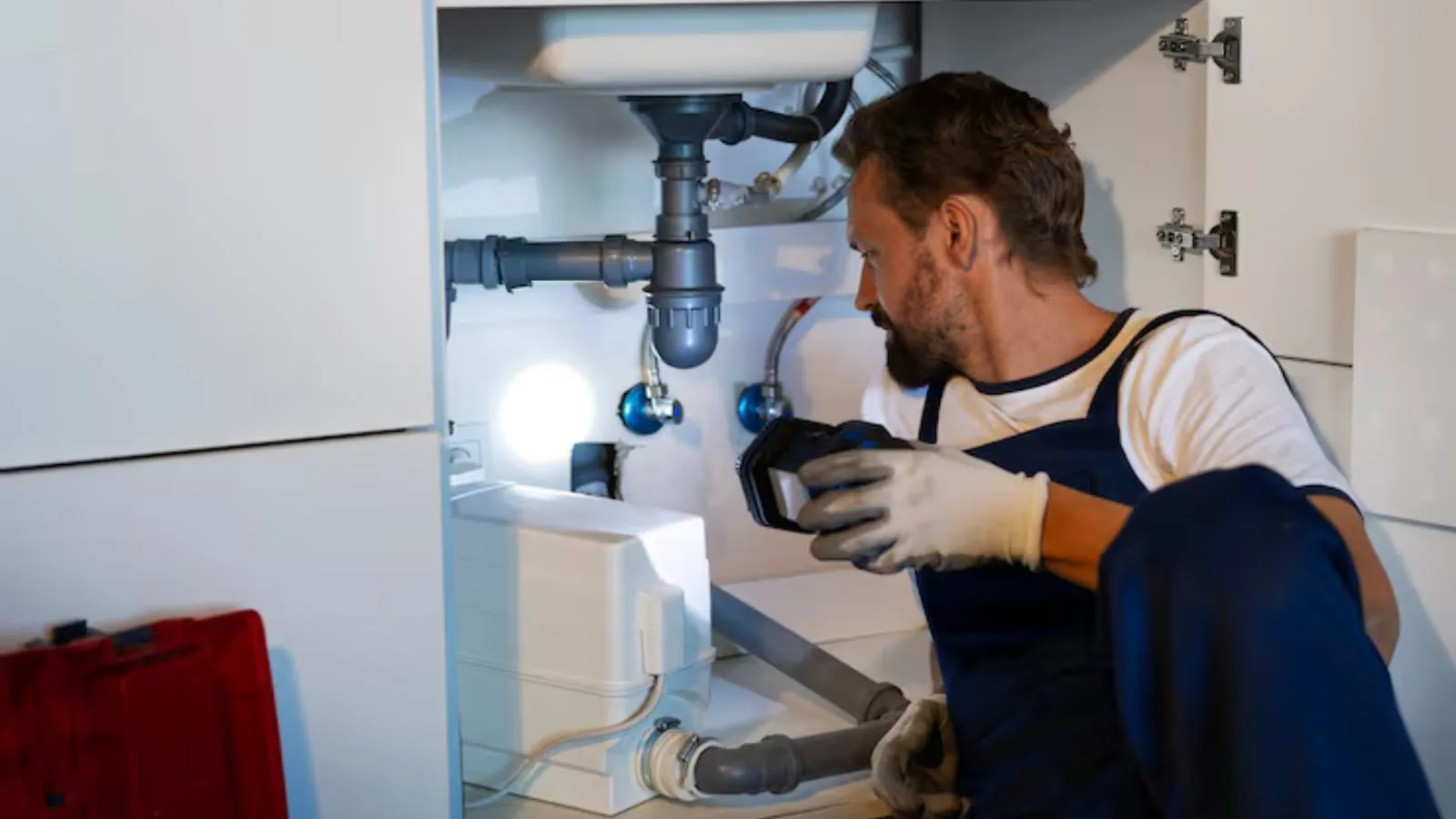
Leak detection is the single most common call we get, and for good reason: a hidden leak rarely announces itself clearly. A warm spot on the floor, a slightly higher water bill, a faint sound of running water when nothing's turned on, these are all real signs, but none of them point to an exact location on their own.
We use acoustic and electronic leak detection equipment to trace the source without cutting into drywall, flooring, or concrete first. For a slab leak specifically, that means finding the exact point under the foundation before any demolition happens, which saves real money compared to opening up a large section of slab to search.
We also handle leak detection for irrigation systems, which fail differently than household plumbing and often show up first as an unexplained wet patch in the yard rather than an indoor sign. Since irrigation lines are typically shallower and more accessible than a home's main supply lines, detection and repair on these is usually faster and less invasive.
We also perform leak detection as part of a pre-purchase inspection for homebuyers who want confidence in a property's plumbing before closing, since a hidden leak is exactly the kind of issue a standard visual home inspection can miss entirely. For an older Bellevue home with galvanized supply lines, this extra step can surface a problem while there's still room to negotiate, rather than discovering it as a new owner a few months after moving in.
When You Know There's A Leak But Can't See One
The most common call we get on this is a water bill that's climbed without an obvious reason, or a water meter that keeps running even with every fixture in the house off. Neither tells you where the leak is, only that one exists. That's exactly what leak detection equipment is for: finding the source without guessing or opening up walls and flooring on a hunch.
How We Find It
Acoustic Detection
Listens for the sound signature of water escaping under pressure, even behind walls or under slab.
Pressure Testing
Isolates sections of the system to narrow down which line is actually leaking.
Pinpoint Location
Marks the exact spot before any cutting or excavation, so repair work is targeted.
What Affects The Price
Leak detection is priced by how extensive the search needs to be, not by guesswork, and the number is separate from whatever repair follows once the source is found.
Type of leak
A slab leak typically takes longer to trace than a leak in an accessible wall or crawlspace.
System size
A larger home with more plumbing runs takes longer to isolate the affected section.
Access
Finished spaces without easy access to plumbing take more time than an open crawlspace or basement.
Signs Worth A Leak Detection Call
- A water bill that's risen without a clear reason, or a change in usage habits.
- A water meter that keeps moving even with every fixture in the house off.
- A warm or damp spot on the floor, especially over a slab foundation.
- A faint sound of running water when nothing is turned on.
You Might Also Need
Once a leak is located, the repair itself depends on where it is; a slab leak often becomes a rerouting conversation covered on our repiping and pipe replacement page, while a leak in an accessible wall is usually a straightforward burst pipe repair. If the leak has already caused visible damage, our water damage restoration page covers the cleanup.
Newcastle homes near the higher water table close to Lake Washington see leak detection calls for a similar reason: shifting soil conditions near the shoreline can stress buried supply lines over time.
Leak Detection FAQ
We use acoustic and electronic equipment that traces the sound and pattern of water escaping under pressure, which pinpoints the location before any cutting or excavation happens.
That's one of the most common reasons people call us. A rising bill with no visible leak usually means the leak is hidden, behind a wall, under a slab, or underground between the meter and the house, and it's worth a proper detection visit rather than waiting.
Detection itself typically isn't a covered expense, but if the leak has caused sudden water damage, that portion may be covered depending on your policy. We can document findings either way.
Yes, irrigation leak detection is a routine part of what we do, and it's often quicker to resolve than a leak in the home's main supply lines since irrigation runs tend to be shallower and more accessible.
Yes, this is a common request for older homes with galvanized plumbing, where a hidden leak might not show up on a standard visual inspection but is worth knowing about before closing.